Tara Acton
Play Therapist
I’m am a qualified Play Therapist practising in south Devon. For over 15 years I have been a Forest School Leader and Teacher and I have over 20 years experience and Level 6 in Playwork. I have studied outdoor play in Scandinavia and also ran Forest School programs in China. It has been my privilege and a joy to witness countless moments of children growing and developing within Playful contexts. Since specialising in the therapeutic relationship I'm in awe of what the psyche and children are capable of.
What is Play Therapy?
Children naturally Play.Play Therapy helps children to explore their feelings and express themselves to help them make sense of themselves and their world. This in turn helps children to work towards understanding their feelings and help them navigate getting their needs metPlay Therapy is there to… help children who have upset and confusing feelings. When people are injured on the outside, they feel pain, and everyone can see the sore. They may cry, get a plaster, or go to the doctor to make them get better. When people have hidden away upset feelings - unhappy, sad, angry, scared, or lonely - maybe because of something they have experienced, a Play Therapist can help them work out these feelings to try and help them feel better.Why would a child go to see a Play Therapist?
The Play Therapist is asked to see people because they feel sad or angry or scared about something or perhaps because something horrible has happened. Sometimes they can’t help fighting, fidgeting or feeling bad about themselves.
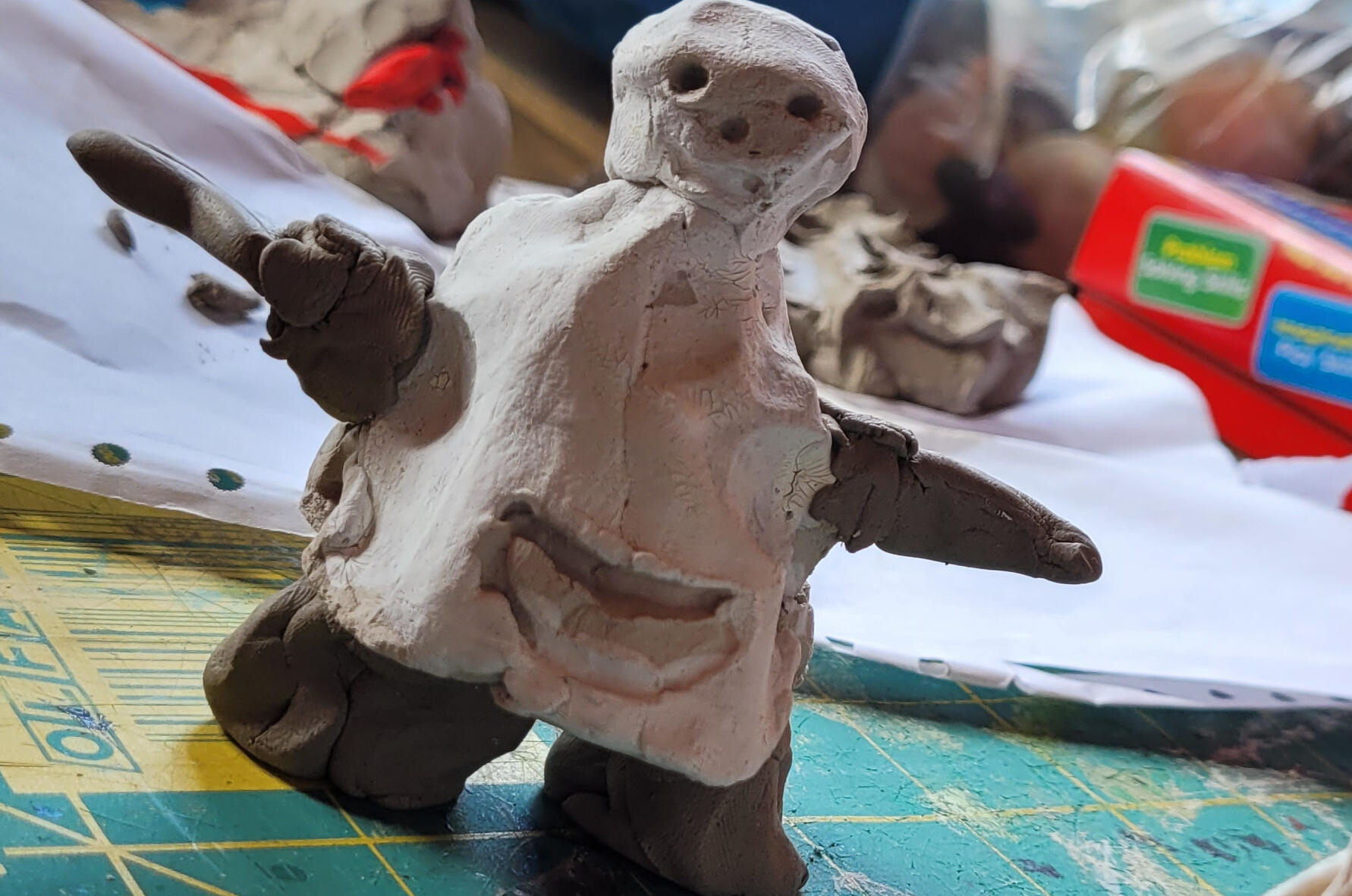
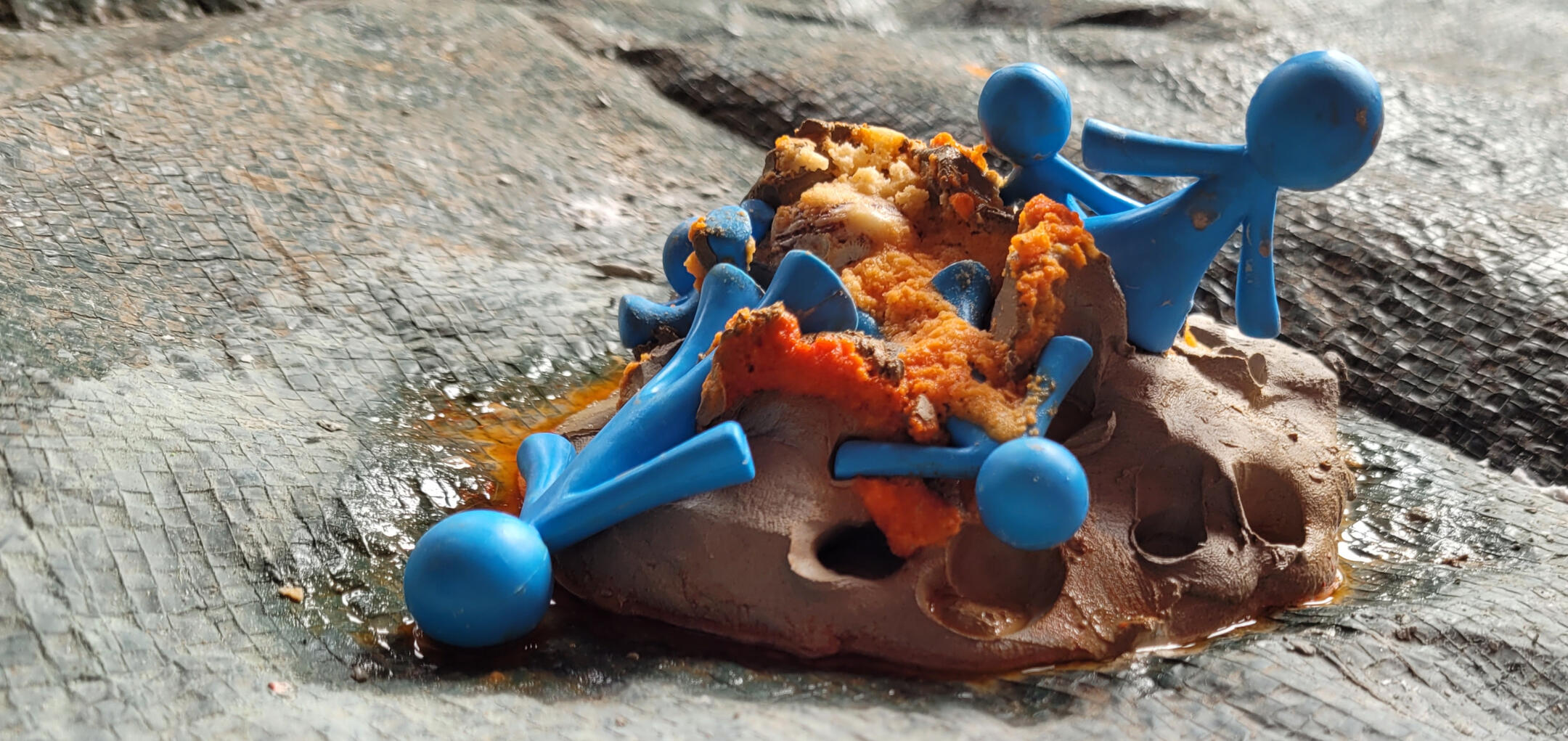
Sometimes it’s hard to talk about feelings so the Play Therapist will try and help people feel better without the child having to explain in words. Instead they can use clay modelling, sand tray mini world play, puppets, creative visualisations, games, therapeutic stories, music, and MANY other toys. That’s because children play their feelings better than they talk about them.Research shows that the brain is most actively engaged when operating with metaphor. When a child is working in the creative mediums there is significant opportunities to remap neurological pathways developing healthier scripts and behaviour patterns. Sometimes it seems to me that Play Therapy is akin to magic.
Our Work
Who can benefit from Play Therapy?Play Therapy can help children with processing bereavement, separation, challenging behaviour, neuro-diversity, learning disabilities, traumatic events, anger, mute, low mood, difficulties socialising, expressing themselves and developing their emotional literacy.... and more.
Play Therapy is an effective intervention for children with a variety of presenting difficulties.What happens in Play Therapy?
Play Therapy offers a confidential space in which personal issues can be explored. Consistency is important, Play Therapy sessions take place once a week, at the same time, same place. Therapy may be a short-term intervention or a process that extends over a longer period, according to each child’s needs.
Contact Me
Please drop me a line so we can chat about your needs or those of the children and young people in your care.
Go-well
Tara
Email: taraactonplay@gmail.com
Resources and information sign posing
• https://playtherapy.org.uk/what-is-play-therapy/
• https://playtherapy.org.uk/
• https://www.bacp.co.uk/about-therapy/types-of-therapy/play-therapy/
• https://www.unicef.org.uk/what-we-do/un-convention-child-rights/
• https://ipaworld.org/childs-right-to-play/article-31/https://beaconhouse.org.uk/resources/
• https://www.waterstones.com/author/margot-sunderland/7141
• https://www.bdperry.com/
• http://www.suejennings.com/epr.html
• https://drgabormate.com/
• https://www.besselvanderkolk.com/resources/the-body-keeps-the-score
• https://www.playengland.org.uk/charter-for-play#:~:text=Our%20Charter%20for%20Children's%20Play,what%20to%20do%20by%20adults'.